
Every year I sit down with dozens of families who call our office before their Char Dham Yatra, and almost all of them ask the same question first. Which route should we take. It is a fair question. Char Dham is not a single trip, it is four different shrines spread across the Garhwal Himalayas, and the road you choose decides how comfortable, how safe, and how meaningful the journey feels for your family.
I am Gagan Panwar, Content Lead at Innova Taxi. Over the past few seasons I have worked closely with our drivers, our booking desk, and hundreds of pilgrim families to understand what actually works on these mountain roads and what looks good only on paper. This guide covers the seven Char Dham Yatra routes we book most often at InnovaTaxi, written from real trip patterns, not just a map search. If you are planning this yatra with parents, grandparents, or young children, this article will help you pick the route that fits your family instead of a generic one-size-fits-all itinerary.
You can check current cab availability and get a quote any time on innovataxi.com.
Why the Route Choice Matters More Than People Think
Char Dham is physically demanding. The altitude changes fast, the roads narrow near Gangotri and Kedarnath, and weather can shift within hours during monsoon months. A route that suits a group of young trekkers is often the wrong choice for senior citizens. A route built for a five day trip will feel rushed if you try to stretch it into seven days with extra sightseeing.
At InnovaTaxi, our drivers are locals who have done this circuit for years. They know which roads have the best rest stops, which sections need daylight driving only, and where a private cab actually saves you hours compared to shared transport. That local, on-ground experience is the difference between a smooth yatra and an exhausting one.
1. Delhi to Char Dham Yatra by Road (Full Circuit)
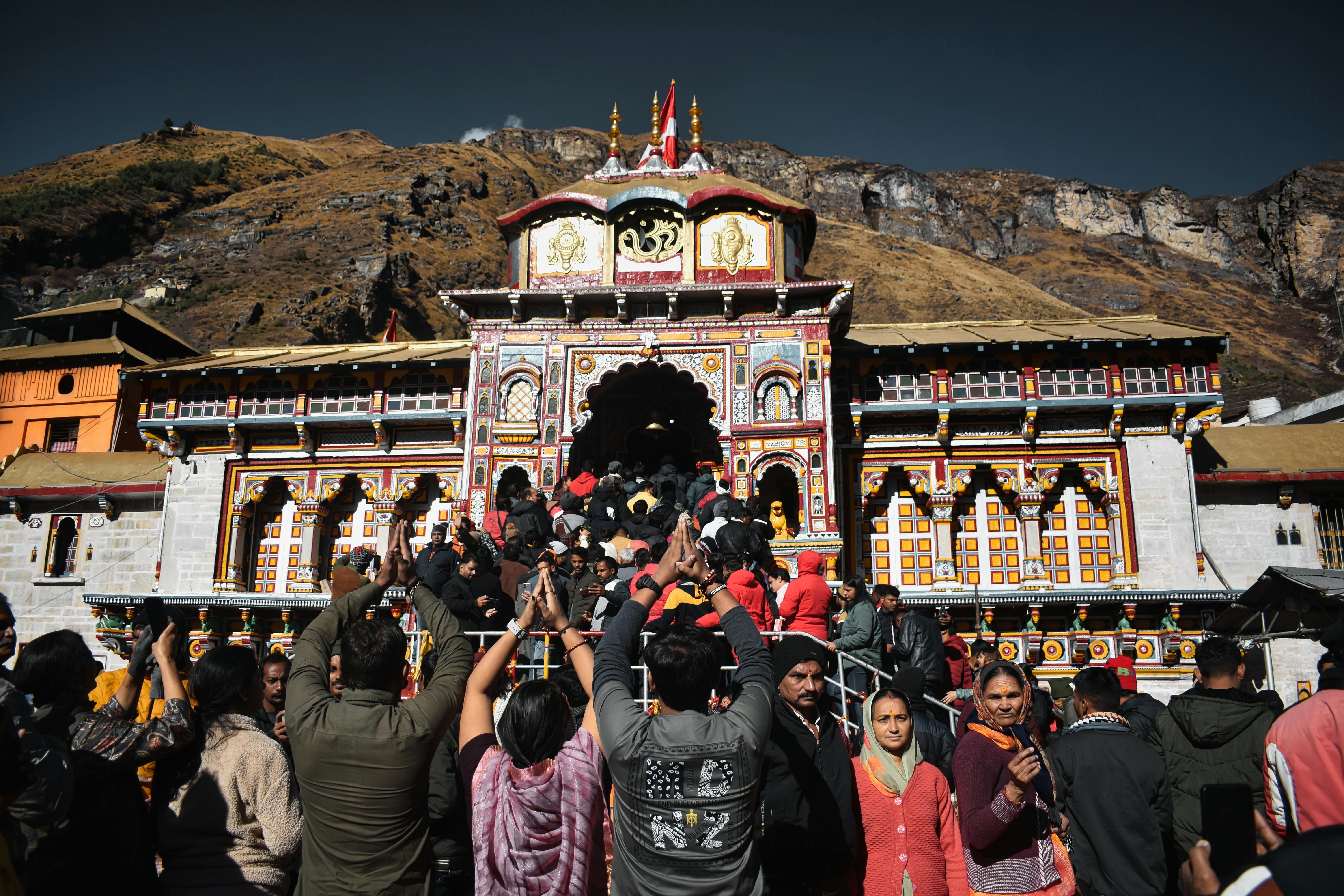
This is the most complete and the most requested route on our platform. It covers all four shrines, Yamunotri, Gangotri, Kedarnath, and Badrinath, in the traditional order, starting and ending in Delhi.
Typical duration: 10 to 12 days Best for: Families who want the complete traditional yatra without breaking it into separate trips
The route usually runs Delhi to Haridwar, then to Barkot for Yamunotri, onward to Uttarkashi for Gangotri, then to Guptkashi or Sonprayag for the Kedarnath trek base, and finally to Badrinath before returning via Rudraprayag and Haridwar back to Delhi.
We recommend the Innova Crysta for this route if your group is four to six people, since it handles the winding hill sections with better stability than a hatchback and gives everyone enough legroom over a ten day trip. For families of seven or more, our Tempo Traveller keeps the group together in one vehicle instead of splitting across two cars.
2. Haridwar to Char Dham Yatra (Shorter Circuit)
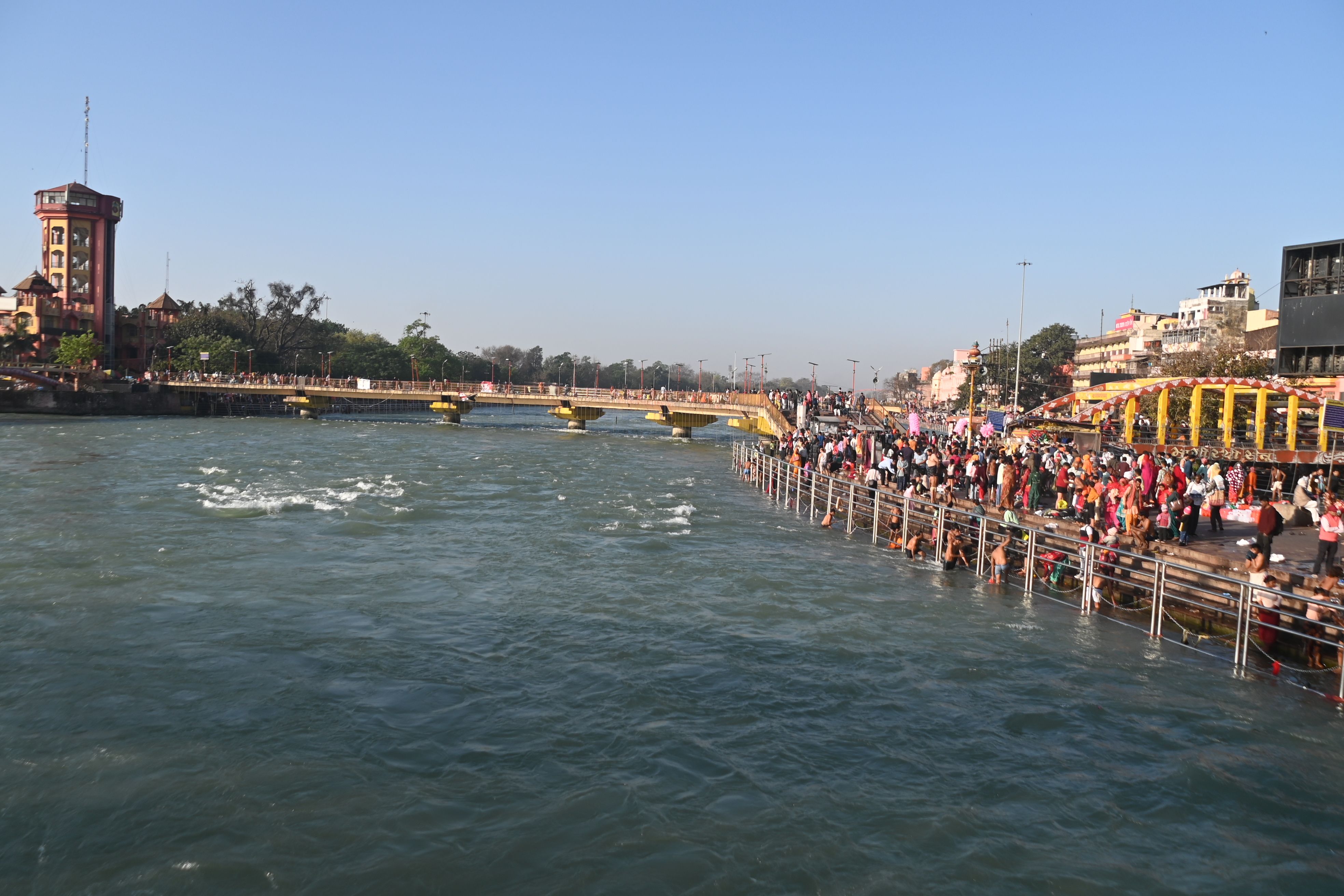
If you are flying into Dehradun or taking a train to Haridwar, you can skip the Delhi to Haridwar leg and shave nearly a full day off your trip. This is one of the most practical routes for pilgrims coming from outside North India.
Typical duration: 8 to 9 days Best for: Out-of-state travelers arriving by flight or train
Starting from Haridwar, the cab covers the same four shrines but with a tighter schedule since the base point is already inside the hills. This route works especially well for working professionals who have limited leave days but still want to complete the full Char Dham circuit rather than a partial one.
Our booking desk can arrange a driver to receive you directly at Dehradun airport or Haridwar railway station, so your yatra starts the moment you land.
3. Do Dham Yatra: Kedarnath and Badrinath Only
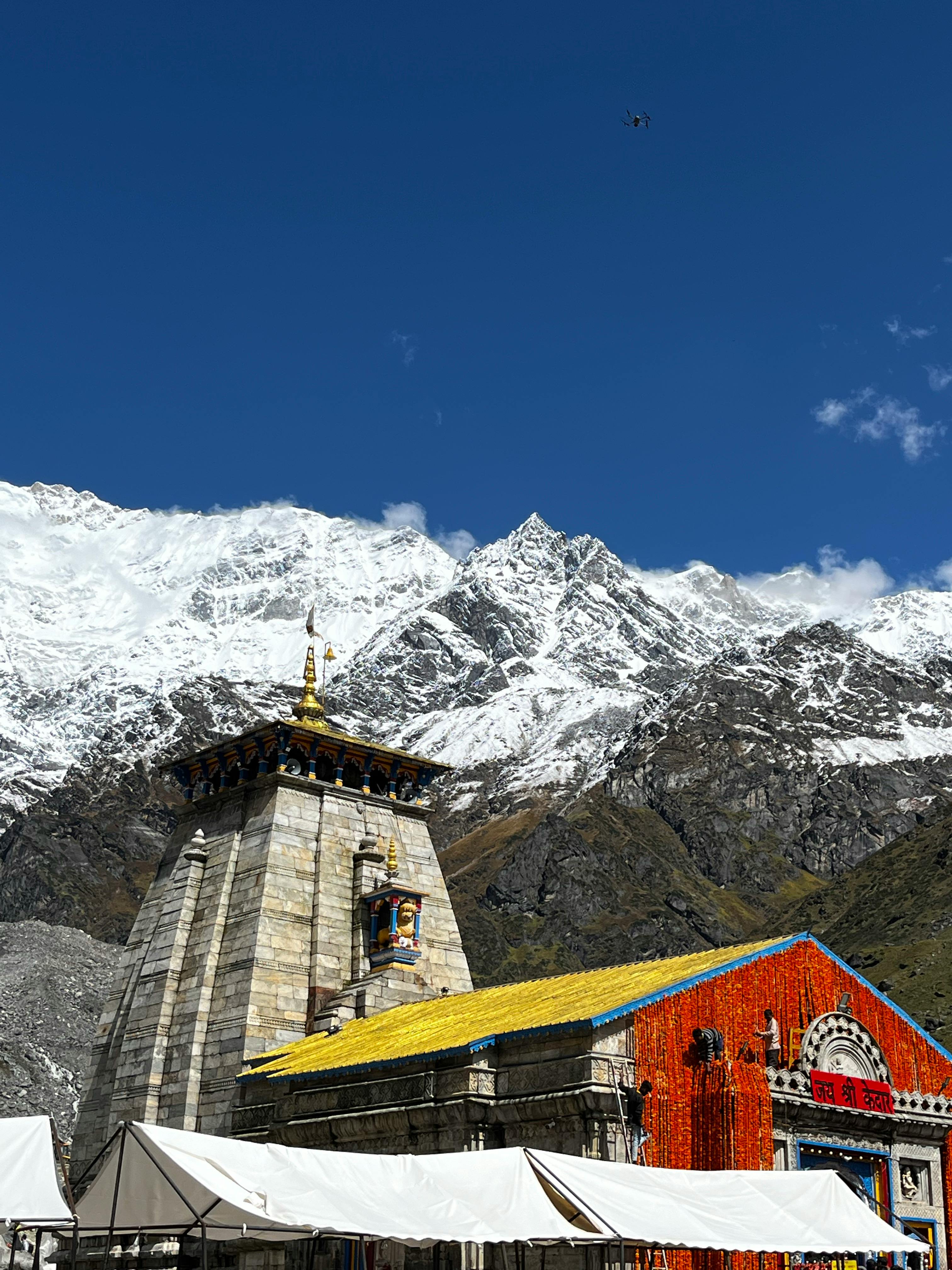
Not every family has ten days to spare, and not every senior citizen can manage the Yamunotri and Gangotri treks comfortably. For this reason, Do Dham, covering only Kedarnath and Badrinath, has become one of our steadiest bookings.
Typical duration: 5 to 6 days Best for: Senior citizens, families with limited time, first time pilgrims testing the yatra experience
This shorter route still gives you two of the most significant shrines in the Char Dham circuit. Kedarnath requires a trek or pony or palki ride from Gaurikund or Sonprayag, while Badrinath is fully motorable right up to the temple town. Because the itinerary is lighter, it is easier on the body and easier on the budget.
We often suggest this route to families booking their first hill journey with elderly parents, since it gives a real sense of the yatra without the physical strain of covering all four shrines in one trip.
4. Char Dham Yatra with Panch Kedar Extension
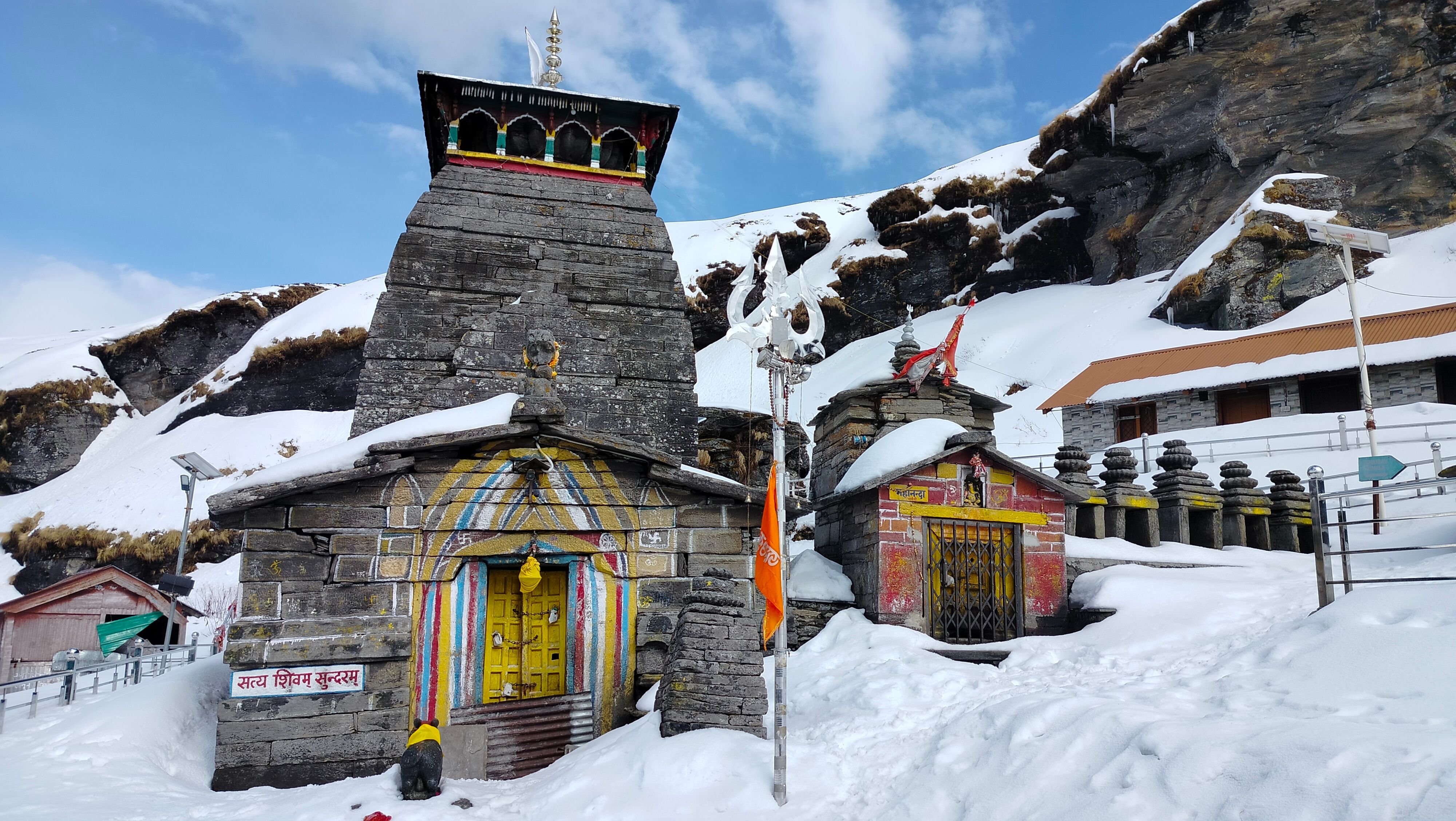
For pilgrim families with deeper devotional intent and a longer window of time, we offer a route that extends the standard Char Dham circuit to include select Panch Kedar temples such as Tungnath, which is also the world’s highest Shiva temple accessible by a short trek from Chopta.
Typical duration: 13 to 15 days Best for: Repeat pilgrims, spiritually motivated groups wanting a fuller circuit
This is a longer commitment, but many of our repeat customers specifically ask for this extended version because it lets them cover additional Shiva shrines without planning a separate trip later. Our drivers are familiar with the Chopta diversion and the road conditions near Ukhimath, which are not always straightforward for outside drivers unfamiliar with the region.
5. Senior Citizen Friendly Route with Kedarnath Helicopter Combo
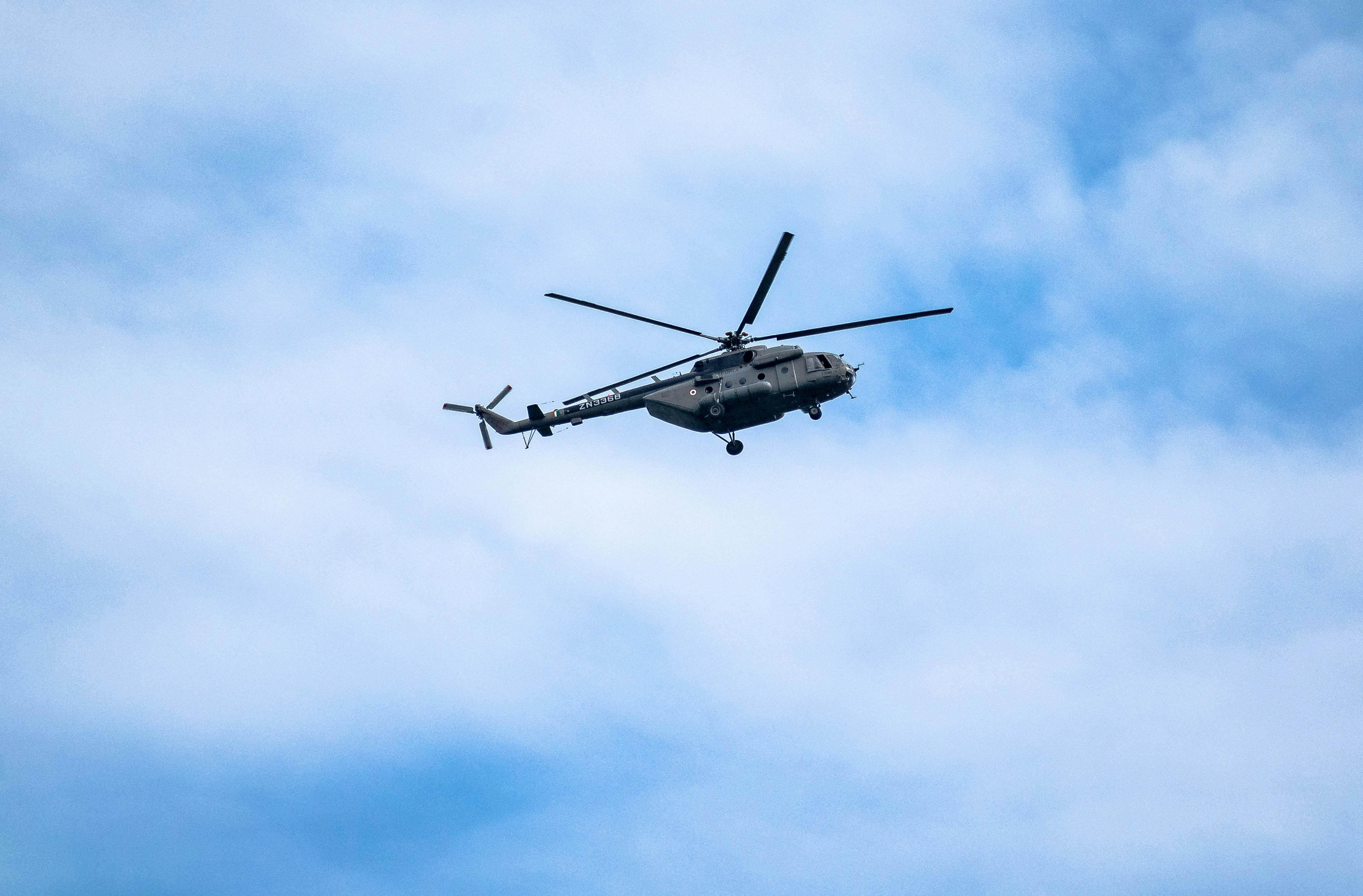
This route is built specifically around comfort for elderly pilgrims. Instead of the trek to Kedarnath, we coordinate the road journey up to Phata or Sersi, from where the family can take a helicopter to Kedarnath and back, avoiding the steep 16 kilometer trek entirely. The rest of the circuit, Yamunotri, Gangotri, and Badrinath, is covered by road as usual.
Typical duration: 9 to 10 days Best for: Senior citizens, pilgrims with knee or heart conditions, families who want to reduce physical strain
Helicopter seats for Kedarnath get booked out quickly during peak season, especially May, June, and the September to October window. If this route interests you, it helps to plan and book at least a month in advance. Our team can guide you on helicopter slot availability alongside your road cab booking.
6. Family Leisure Route with Rishikesh and Haridwar Halts
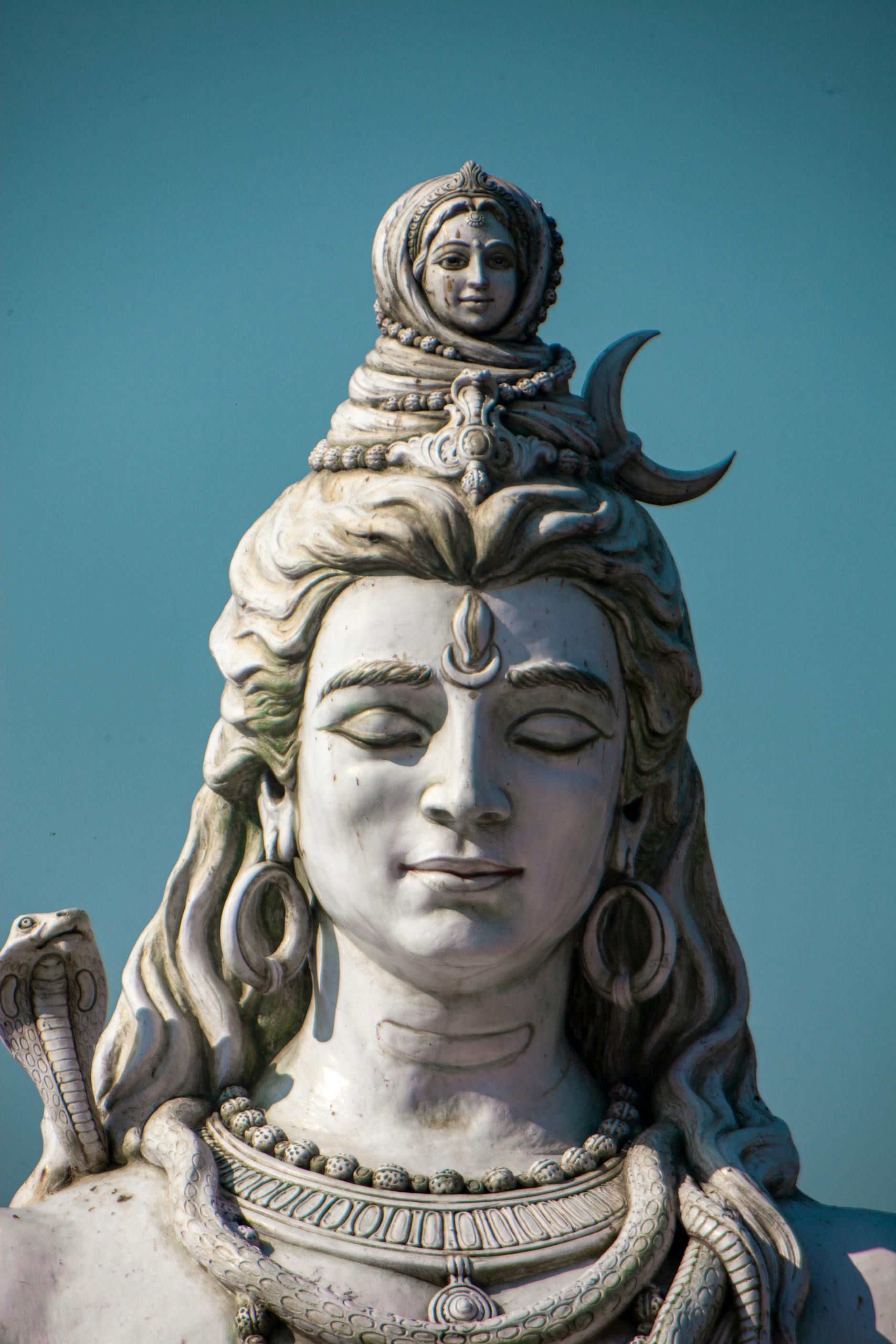
Some families want the yatra to also feel like a family trip, with a day or two built in for Rishikesh’s ghats, the Ganga Aarti at Har Ki Pauri in Haridwar, and a slower overall pace. This route adds relaxed halts at the beginning and end of the standard circuit rather than rushing straight into the mountains.
Typical duration: 11 to 13 days Best for: Multi-generation family trips, families traveling with young children
Children often find the sudden altitude change and long driving days tiring if there is no buffer. Building in a day at Rishikesh to acclimatize, walk along the river, and rest before the climb into higher altitudes makes a noticeable difference in how the rest of the trip goes.
7. Char Dham Yatra with Auli and Valley of Flowers Extension
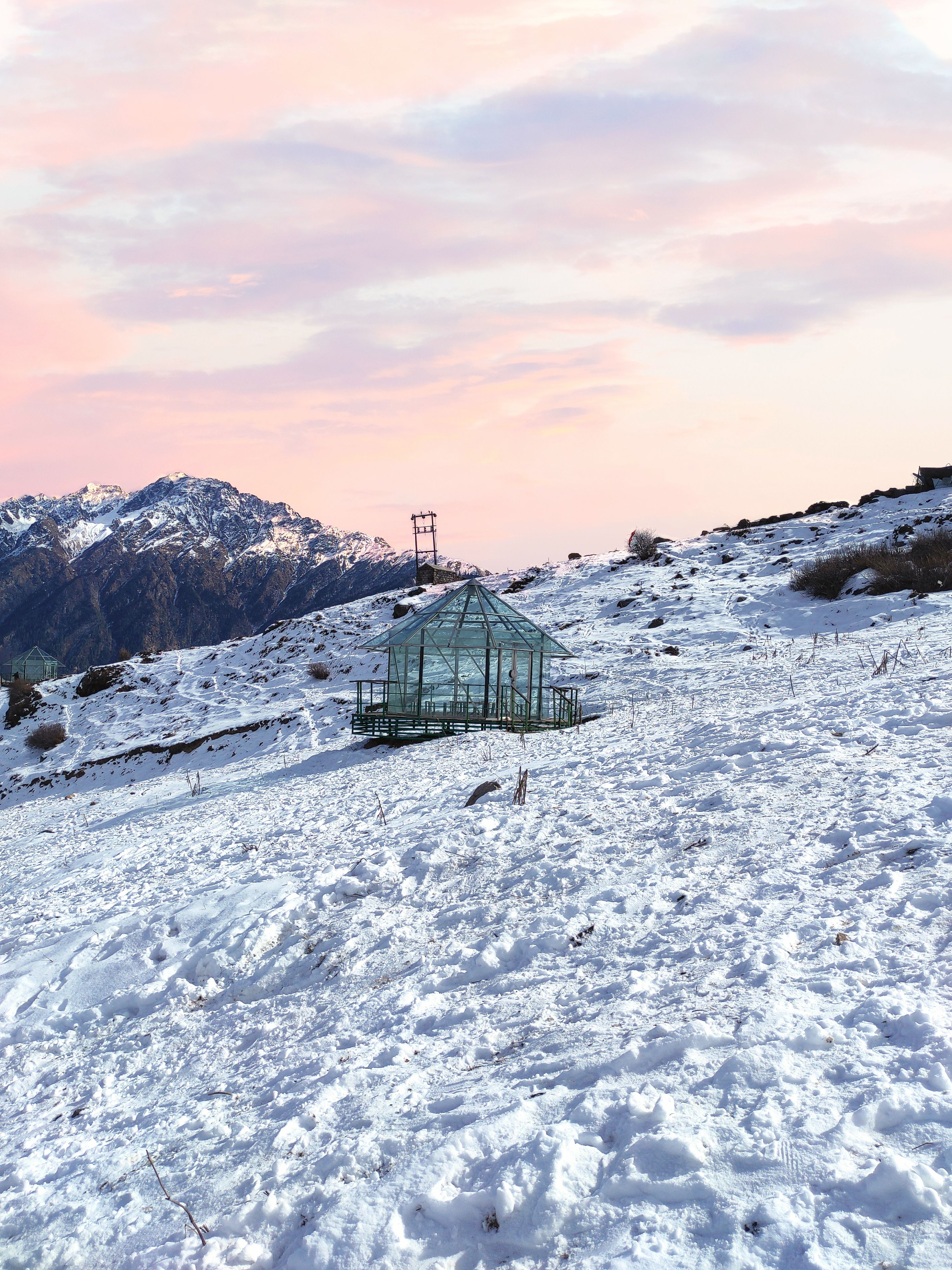
This route is popular with families who complete Badrinath and want to extend the trip slightly to see Auli, known for its cable car and Himalayan views, and if the season allows, the Valley of Flowers near Govindghat.
Typical duration: 12 to 14 days Best for: Nature loving families, photography enthusiasts, pilgrims who want scenic variety alongside the religious circuit
Valley of Flowers is only accessible between June and early October, so this extension only makes sense if your travel dates fall in that window. Auli, on the other hand, is a good add-on across most of the yatra season and gives the trip a nice scenic close after the temple visits.
How InnovaTaxi Supports Your Char Dham Yatra
Choosing the route is only half the planning. The vehicle, the driver, and the on-ground support matter just as much on hill roads.
At InnovaTaxi, our fleet for Char Dham bookings includes the Innova Crysta, the Innova Hycross, and the Tempo Traveller, depending on your group size. Local pricing for outstation hill routes generally runs between rupees 20 and 24 per kilometer, and we always confirm the total trip cost upfront before you travel, so there are no surprises at drop off.
A few things we handle as standard practice on every Char Dham booking:
Drivers assigned to hill routes have direct experience on the Char Dham circuit, not just general outstation driving.
Vehicles are checked for hill-worthiness including brakes, tyres, and engine cooling before every yatra season begins.
We help families plan realistic day-by-day halts instead of overpacking the itinerary, based on years of actual trip data from our bookings.
Our team stays reachable throughout the trip, so if plans need to shift because of weather or health reasons, we can adjust the schedule on the ground.
Tips for Families Traveling with Senior Citizens
Since a large share of our Char Dham bookings involve elderly parents or grandparents, here is what we generally advise based on patterns we have seen work well.
Choose the Do Dham route or the helicopter combo route if trekking is a concern, rather than forcing the full four dham circuit in one go.
Build in at least one rest day around the midpoint of the trip, ideally at Guptkashi or Rudraprayag, rather than driving every single day back to back.
Carry basic medication and a doctor’s note for any existing conditions, since altitude can affect blood pressure and breathing even in otherwise healthy individuals.
Book a private cab rather than shared transport. A private vehicle lets you stop when needed, adjust pace for elderly passengers, and avoid the discomfort of a fixed group schedule.
Best Time to Plan Your Char Dham Yatra
The yatra season generally opens in late April or early May, depending on the temple committee’s announcement each year, and runs through October or early November before winter closes the shrines again. May, June, and the September to October window tend to be the most popular and the most booked, so if you have flexibility, planning your trip just after the season opens or just before it closes in October often means fewer crowds and easier road conditions.
Monsoon months, particularly July and August, bring a higher risk of landslides and road blockages on certain stretches, especially near Gangotri and Kedarnath. If your dates fall in this window, our drivers keep a close watch on daily road advisories and can adjust the itinerary if a section becomes unsafe.
Comparing the Seven Routes at a Glance
Since each of these routes suits a different kind of traveler, here is a quick way to think about which one matches your family’s situation.
If this is your first Char Dham trip and you want to cover everything in one journey, the full circuit from Delhi is the standard choice. If you are flying in from another state and want to save a travel day, starting the yatra from Haridwar makes more sense than routing everything through Delhi first.
If your parents or grandparents are joining and physical strain is a real concern, Do Dham or the helicopter combo route protects their health without cutting them out of the experience. If your family has done Char Dham before and wants to go deeper into Shiva shrines, the Panch Kedar extension adds meaningful ground without starting a whole new trip.
If you are traveling with young children, the leisure route with Rishikesh and Haridwar halts keeps the pace humane. And if your dates land between June and early October and you want some non-religious scenery mixed into the pilgrimage, Auli and Valley of Flowers give the trip a memorable close.
There is no single best route among these seven. The best route is the one that matches your group’s age, health, available days, and the time of year you are traveling. This is exactly the conversation our booking team has with every family before confirming a cab, and it is why so many of our bookings come from word of mouth rather than one time customers.
What Our Drivers Tell Us About These Roads
I spend a fair amount of time talking to our drivers between trips, and a few things come up again and again that are worth sharing here.
The stretch between Sonprayag and Gaurikund, the base points for the Kedarnath trek, gets extremely congested during peak weekends in May and June. Drivers who know the area well time their arrival for early morning to avoid the worst of the parking and traffic bottleneck.
The road to Yamunotri via Barkot has several narrow single lane sections where local knowledge of passing points matters more than raw driving skill. This is one of the reasons we do not assign first time hill drivers to this leg of the journey.
Weather near Gangotri can change fast even on days that start clear. Our drivers keep a habit of checking local road advisories each morning rather than relying only on a forecast checked the night before.
None of this is meant to alarm anyone. Thousands of families complete this yatra safely every season. It is simply why we believe the driver and vehicle matter as much as the route itself, and why we do not treat Char Dham bookings the same way we treat a standard city to city outstation trip.
Frequently Asked Questions
How many days does the full Char Dham Yatra actually take?
Most families comfortably complete the full four dham circuit from Delhi in 10 to 12 days. Starting from Haridwar instead of Delhi can bring this down to 8 or 9 days. Rushing it into fewer days is possible but tends to leave very little buffer for rest, weather delays, or darshan queues.
Is the Do Dham route a good substitute for the full Char Dham Yatra?
It depends on your priorities. Do Dham covers Kedarnath and Badrinath, which are considered by many pilgrims to be the most significant of the four shrines. If your time or your family’s physical stamina is limited, Do Dham is a genuine and complete yatra on its own, not a lesser version of the full circuit.
Which vehicle is best for a large family group?
For groups of four to six, the Innova Crysta or Innova Hycross gives the best balance of comfort and hill handling. For groups of seven or more, our Tempo Traveller keeps everyone in one vehicle, which matters a lot on a multi-day trip where splitting across cars can complicate coordination at halts and meal stops.
Can InnovaTaxi arrange the Kedarnath helicopter booking along with the cab?
Yes, our team can guide you on helicopter slot availability and coordinate your road itinerary around your helicopter timing. Since helicopter seats sell out fast in peak season, we recommend confirming this at least four to six weeks ahead of your travel dates.
Is it safe to travel these routes during monsoon season?
July and August carry a higher risk of landslides on certain stretches, particularly near Gangotri and Kedarnath. Trips are still possible during this window, but our drivers monitor road advisories closely and we build extra buffer days into monsoon season itineraries in case a route needs to be adjusted.
How far in advance should I book my Char Dham cab?
For peak season travel in May, June, September, or October, we recommend booking at least three to four weeks ahead, especially if you need a Tempo Traveller for a larger group. Vehicles do get booked out during the busiest weeks of the season.
Booking Your Char Dham Yatra Cab
If you have gone through the seven routes above and have a sense of which one fits your family, the next step is simple. Reach out to our team with your travel dates, group size, and preferred route, and we will put together a clear day-by-day plan along with the total cab cost.
You can browse our vehicle options and request a quote directly on innovataxi.com, or if you prefer a quicker back and forth, message us on WhatsApp and we will get your itinerary and quote sorted the same day.
Char Dham Yatra is not a trip you want to leave to guesswork on the road. A well planned route, a reliable vehicle, and a driver who knows these mountains make all the difference between a stressful journey and a yatra your family will remember for the right reasons.
Get your Char Dham Yatra quote on WhatsApp today and let InnovaTaxi handle the road while you focus on the pilgrimage.

Gagan Panwar is Content Lead at InnovaTaxi, where he writes route and travel guides based on firsthand input from the company’s driver network covering Delhi’s major outstation corridors, including the Jammu–Vaishno Devi route.